

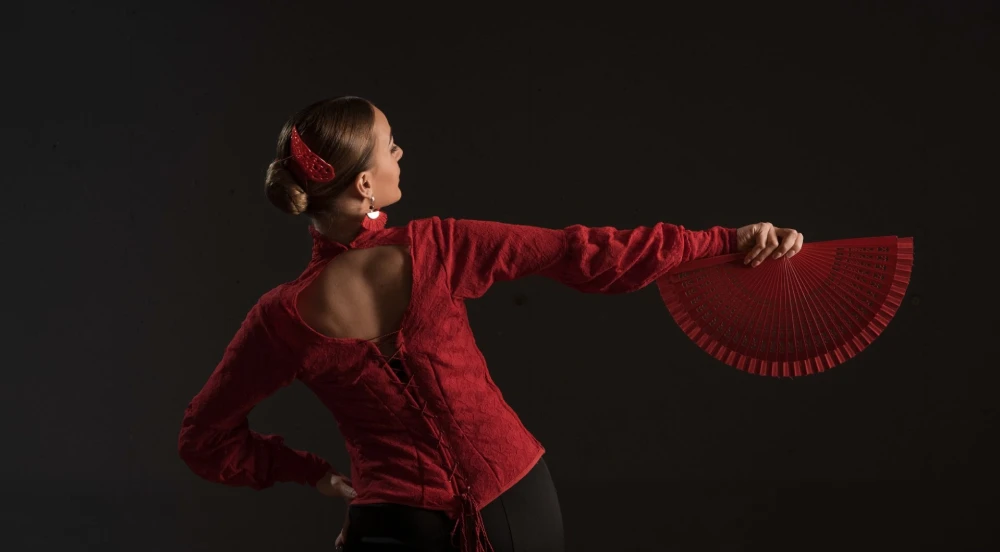
To speak of flamenco in Ronda is to speak of an essential part of Andalusian cultural identity. The city is not only part of the flamenco map due to its tradition and the cultural programming that keeps it active, but also because it has left its mark on one of the genre’s most recognizable “palos” (styles): the rondeña.
Ronda possesses that rare blend of history, landscape, and emotion. This is precisely why flamenco fits its narrative so well: because both share roots, intensity, and memory. It is not an addition to the city, but one of the many ways in which Ronda expresses itself culturally.
Ronda and Flamenco
Ronda’s relationship with flamenco is neither recent nor decorative. It is part of a broader tradition in which the city has been recognized as one of the cultural enclaves linked to Andalusian “cante” (singing).
The presence of flamenco initiatives, shows, and gatherings in the city proves that this connection remains alive. We are not just talking about a historical memory, but a cultural continuity that is renewed through public activities, events, and celebrations.
Furthermore, Ronda frequently appears in conversations about flamenco due to its symbolic weight and its role within the Andalusian imaginary. It is a city associated with art, song, and the emotion of a tradition that continues to spark interest both inside and outside of Andalusia.
The Rondeña: A style named after a city
One of the clearest links between Ronda and flamenco is the rondeña, a flamenco style whose name refers directly to the city. This alone speaks volumes about Ronda’s cultural influence on this art form.
The rondeña is part of the historical repertoire of flamenco and is associated with the Andalusian musical tradition. Its importance lies not only in the musical aspect but also in the symbolic: it bears the name of a city that represents a great deal within the cultural imagery of the south.
These types of references help us understand that Ronda is not solely a monumental destination. It is also a place that has contributed names, sounds, and its own sensibility to flamenco culture.
An art deeply tied to Andalusia
Flamenco, as a cultural expression, was born from a blend of popular, Gypsy, Andalusian, and musical influences that consolidated over time. Ronda, due to its historical character and its significance within the Serranía, is part of that vast cultural universe where singing, guitar playing (toque), and dancing have a very prominent presence.
In this context, talking about flamenco in Ronda does not mean just looking for a show or a specific schedule. It also means understanding how a city like this participates in a tradition that goes far beyond entertainment. Flamenco in Ronda is heritage, identity, and a way of transmitting collective memory.
Flamenco in Ronda today
Currently, flamenco remains present in the city’s cultural life through various offerings. One of them is Ronda Flamenca, featuring shows organized in venues across the city and a presence in the local tourism agenda.
The City Council and Ronda’s cultural programming have also promoted activities centered around International Flamenco Day, demonstrating that the genre remains a staple of the city’s cultural calendar.
In 2026, the “Ronda Romántica” event includes the XII Encuentro Flamenco de los Cantes de Ronda and the XII Abanico de Coplas, two events that reinforce the bond between tradition, music, and the city.
All of this confirms that flamenco is not isolated in Ronda as a mere tourist label, but is integrated into a living program that maintains cultural interest year after year.
To complete this day of art, many visitors choose to pair the intensity of flamenco with the oenological excellence of the area, visiting landmark sites such as Bodega Doña Felisa, where they can discover the other great jewel of Ronda’s heritage: its wines.
