

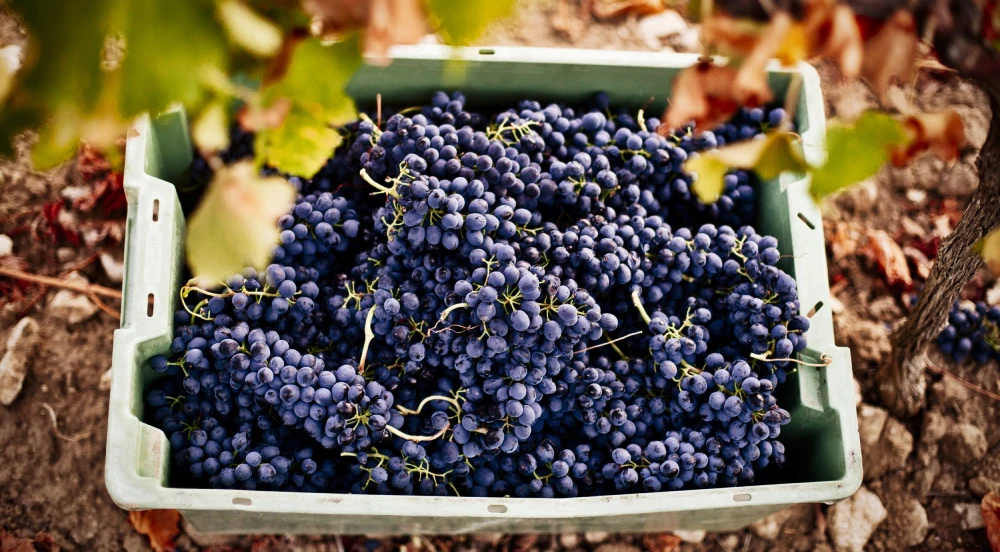
The Serranía de Ronda is one of Andalusia’s most promising wine regions, and it is becoming an increasingly popular destination for travellers looking for something beyond the typical coastal winery experience. With vineyards planted between 600 and 900 metres above sea level, a Mediterranean climate influenced by the Atlantic, and limestone and clay soils, this subzone of the Sierras de Málaga D.O.P. offers the ideal conditions for producing wines with character, freshness and a distinctive personality.
If you enjoy wine tourism and want to discover how the land around Ronda produces exceptional wines, this route takes you from the vineyards to the tasting room in an experience that blends history, landscapes and winemaking tradition. It can easily be enjoyed in a single day or extended into a memorable weekend escape.
A brief history: the revival of Ronda wine
Wine has been part of the Serranía for centuries. Vineyards have existed here since Roman times, and grape growing coexisted with the region’s traditional mountain agriculture for generations. However, the phylloxera epidemic at the end of the 19th century devastated much of the vineyard landscape, reducing production to little more than local consumption for decades.
The real revival began during the 1990s and early 2000s, when a new generation of wineries recognised the potential of these high-altitude vineyards and unique soils. By introducing varieties such as Cabernet Sauvignon and Syrah alongside traditional grapes, while modernising production techniques, they helped establish the Serranía de Ronda as one of the most exciting subzones within the Sierras de Málaga D.O.P.
Why Ronda is a land of great wines
Viticulture has shaped the Serranía for centuries, and today that heritage is reflected in a recognised and regulated wine industry. The Sierras de Málaga D.O.P. Regulatory Council ensures that wines produced in the Serranía de Ronda subzone meet strict standards of origin and production before carrying the designation.
The combination of altitude, abundant sunshine and significant day-to-night temperature variation encourages slow grape ripening, resulting in balanced maturation and greater aromatic complexity. These warm days and cool nights, typical of mountain viticulture, give the wines their vibrant natural acidity and freshness—qualities that are surprisingly rare this far south in Europe.
Grape varieties and wine styles
The most widely planted grape varieties in the Serranía are Tempranillo, Syrah, Cabernet Sauvignon and Chardonnay, all perfectly suited to the local climate and soils. The result is predominantly full-bodied yet elegant red wines, offering layers of ripe fruit, spice and refreshing acidity that pair beautifully with food. White wines are produced in smaller quantities, bringing crisp citrus notes and lively freshness, making them ideal for the warm Andalusian summers.
Many wineries also produce oak-aged wines, allowing the tannins to soften while adding depth and complexity, whereas their young wines focus on expressing fruit purity and freshness.
What to see along the Ronda Wine Route
Vineyards and wine estates
Ronda’s vineyards are spread across estates and small plots surrounded by holm oak and cork oak forests, creating a landscape where vines blend seamlessly with the Mediterranean countryside. The scenery changes beautifully with the seasons, from vibrant green in spring to golden and crimson hues during the September harvest. Among the best-known estates is Viña Amaya, developed by Doña Felisa Winery, alongside many family-run vineyards that continue the region’s mountain winemaking tradition.
Wineries and tasting experiences
Doña Felisa Winery is one of the region’s leading wineries. Visitors can enjoy guided tours, wine tastings paired with local gastronomy, and the opportunity to discover every stage of the winemaking process—from vineyard to glass. Surrounded by vineyards and natural parks, the winery offers an unforgettable setting, with panoramic views that alone make the visit worthwhile.
Food and wine pairing
Wine here is more than a product—it’s a way of experiencing the land. In Ronda, pairing local wines with regional cheeses, cured meats, game dishes and traditional recipes such as migas and oxtail stew creates a truly memorable culinary journey. The area’s structured red wines complement hearty local cuisine, while crisp white wines pair beautifully with aged cheeses and Iberian charcuterie.
When to enjoy the Ronda Wine Route
Although the wine route can be enjoyed throughout the year, two seasons are especially recommended:
- Harvest season (September), when the vineyards are full of activity and many wineries offer experiences linked to the grape harvest.
- Spring, when the landscape is at its greenest and the mild temperatures make vineyard walks particularly enjoyable.
Summer is warmer, but it’s still an excellent time to visit by exploring the vineyards during the cooler morning hours and enjoying wine tastings and long lunches during the hottest part of the day.

More than just a wine journey
The Ronda Wine Route is far more than a wine-tasting experience—it’s an opportunity to discover the history, landscapes and culture of a region where winemaking has been part of everyday life for generations. It also combines perfectly with Ronda’s other highlights, including the Puente Nuevo, the historic bullring and the old town, making it easy to spend the morning exploring the city and the afternoon among the vineyards—or the other way around.
If you’d like to experience it for yourself and discover how the Serranía produces exceptional wines, Doña Felisa Winery is the perfect place to begin. Book your visit, enjoy a guided tasting and connect with the land in the most authentic way.